




By 3D North Star Freedom File
Health, Resilience, and Community Care: Two Stories That Remind Us We Need Each Other
This week brought two powerful reminders that health is not just personal — it is communal.
One story is intimate, rooted in family love, fear, and endurance. The other is a public call-to-action, urging communities to give what they can in order to save lives.
Together, they offer a full picture of how resilience, generosity, and collective care shape the health narratives of our time.
In news that touched many hearts, Cori Broadus — daughter of hip-hop icon Snoop Dogg — announced that her baby daughter, Codi Dreaux, has finally come home after nearly a year in the Neonatal Intensive Care Unit.
Born extremely premature at just 25 weeks, Codi spent more than 10 months in the NICU facing the many challenges that come with being a micro-preemie.
Cori shared the moment with a simple declaration: “She’s home.” Those two words carried the emotional weight of hospital visits, sleepless nights, medical uncertainty, and a mother’s unshaken hope.
Cori’s journey began in February 2025, when she delivered early because of HELLP syndrome, a rare and life-threatening pregnancy complication often associated with severe preeclampsia.
She shared her experience openly, not only describing the medical facts, but also the emotional toll: guilt, fear, faith, exhaustion, and determination.
Her honesty made the story resonate beyond celebrity culture. For many families, this was not simply a headline — it reflected their own experience with premature birth, hospital uncertainty, and the fragile hope that one day their child would come home too.
Thousands of families navigate NICU journeys every year, often balancing hospital life with jobs, responsibilities, financial pressure, and emotional strain.
These families rely not only on doctors and nurses, but on support systems: loved ones, community, faith, and every small act of encouragement that helps them endure.
That is why a child’s return home is not simply a medical discharge. It is a celebration of resilience and collective care.
At the same time one family was welcoming new life into their home, another public figure was reminding people how much health depends on community responsibility.
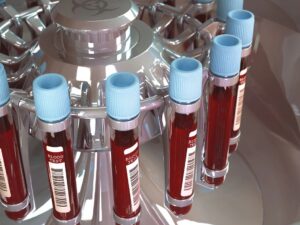
Philadelphia Eagles star Saquon Barkley joined the American Red Cross during National Blood Donor Month to encourage more people to donate blood, helping address a serious drop in the national blood supply.
Blood shortages often worsen after the holiday season, when weather, illness, and busy schedules make it harder for people to donate.
Falling Supply
Blood donations have been trailing behind demand, creating a serious challenge for hospitals and patients who depend on regular transfusions or emergency care.
This affects people facing surgeries, traumatic injuries, cancer treatments, chronic illness, and other major medical needs.
A Cultural Shift
Barkley’s message goes beyond a one-time campaign. It reflects a deeper push to make blood donation a normal and consistent act of community care.
With only a small percentage of Americans donating regularly, the need is not only medical — it is cultural.
What connects these two stories is not circumstance, but humanity.
In one, a family held onto hope for months while a tiny baby fought to grow stronger. In the other, a public figure used his platform to remind people that a simple act of generosity can mean survival for someone else.
Both stories show that health is never just an individual matter. It is shaped by relationships, resources, care systems, and the willingness of people to show up for one another.
Baby Codi’s journey home and Saquon Barkley’s call for donors reveal the same deeper truth: health is a shared responsibility.
Families survive hard seasons through support. Communities endure crisis through generosity. Lives are sustained not only by treatment, but by solidarity.
When people share their stories and give what they can, they help build a world where more people have a real chance to heal, survive, and come home.
In the end, resilience grows strongest where compassion and community meet.