




By 3D North Star Freedom File
Independence Day, History, and the Question of Perspective
National holidays often carry different meanings depending on who is reflecting on them—and what parts of history are being remembered.
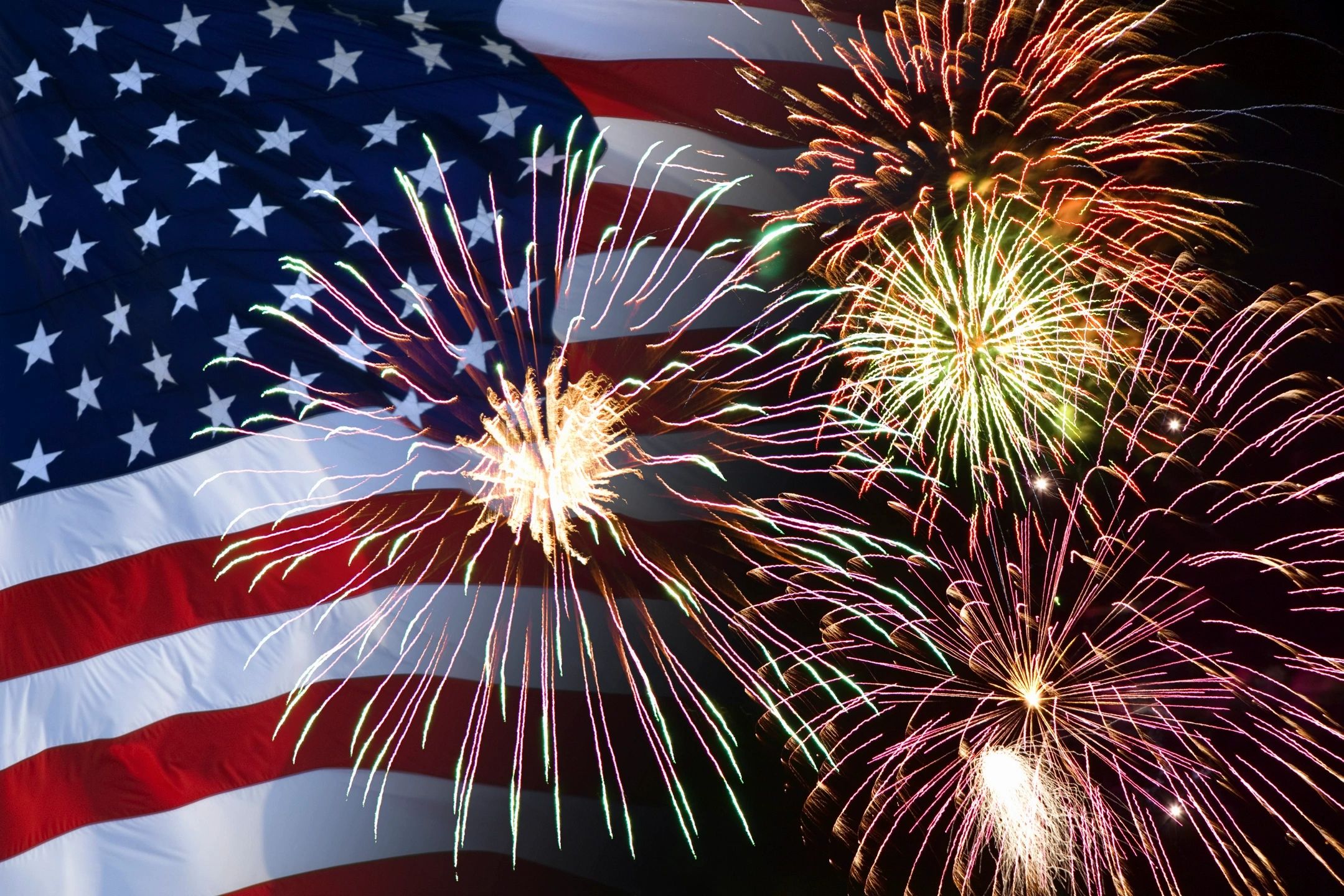
The Fourth of July, also known as Independence Day, marks the moment when the thirteen colonies declared independence from Great Britain in 1776.
For many Americans, it is a celebration of freedom, sovereignty, and national identity. But for others, it also raises deeper historical questions about who that freedom applied to at the time.
At the time of independence, slavery was still a reality in the United States. While the nation was gaining freedom from colonial rule, many Black individuals remained enslaved.
This contrast has led some to question how the ideals of independence align with the lived experiences of those who were not included in that freedom.
For some, this creates a sense of distance from the celebration, while others view it as an opportunity to reflect on progress and ongoing challenges.
Discussions about race often come up during national holidays because history itself is intertwined with issues of race, policy, and power.
Questions about past systems—such as slavery, segregation, and discriminatory policies—are part of broader conversations about how the country has evolved.
These conversations are not always comfortable, but they are often rooted in attempts to better understand historical context.
Over time, policies and systems have shaped different communities in different ways. From housing practices to legal systems, these historical factors continue to influence present-day discussions.
Recognizing this history can help explain why certain topics resurface during moments of national reflection.
For some, acknowledging these realities is part of honoring the full story of the nation.
When people ask why conversations about race continue to come up, the answer often lies in the historical experiences that shaped those perspectives.
Different groups may approach the same holiday with different emotions—celebration, reflection, or a mix of both.
Open dialogue can help bridge these perspectives, even when viewpoints differ.
Independence Day remains an important part of American history, symbolizing the birth of the nation.
At the same time, reflecting on the full scope of that history—including both its achievements and its contradictions—can lead to a deeper understanding of what independence means today.
Recognizing multiple perspectives does not diminish the holiday—it adds context to it.
History is not just about celebration. It is also about understanding.