




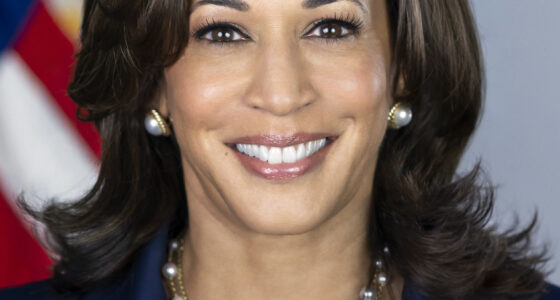
Will Black Male Voters Turn Out for Kamala Harris?
Turnout, trust, and shifting political dynamics in a pivotal election cycle
Kamala Harris has spent the last campaign cycle intensifying outreach to Black voters — particularly Black men — recognizing both the importance and the potential volatility of that support.
For Democrats, Black voter turnout has long been decisive. But recent election cycles have raised new questions: will Black men turn out in similar numbers as before, or is something shifting beneath the surface?
Media Narrative
Headlines during the 2024 cycle suggested that Black men were drifting away from the Democratic Party.
Polls and political commentary amplified concerns about a potential shift toward Republican candidates.
Data Complexity
More detailed analyses showed a nuanced picture — Black voters still largely supported Democratic candidates.
However, turnout varied by region, age, and local conditions.
Turnout is not simply about identity — it is shaped by organization, lived experience, and trust in the political system.
In key battleground states, even small shifts in turnout among Black voters can significantly impact election outcomes.
Variability across regions highlights the importance of localized engagement strategies.
Economic & Social Concerns
Economic anxiety and concerns about crime have become influential factors in political messaging.
These issues have been emphasized in targeted outreach efforts by both parties.
Information & Perception
Social media narratives and polling inconsistencies can shape perceptions of political alignment.
These narratives sometimes differ from actual voter behavior on the ground.
Securing turnout requires more than messaging — it demands sustained investment in local communities.
Effective strategies include empowering local organizers, addressing economic and social concerns, and maintaining consistent engagement beyond election cycles.
Voters are more likely to participate when they see tangible benefits and meaningful representation.
Public narratives about voter behavior can influence turnout itself.
Overemphasizing potential voter shifts may unintentionally discourage participation by creating uncertainty.
Community leaders emphasize the importance of treating voters as active decision-makers rather than assumptions within political strategies.
The question is not simply whether Black men will turn out — but whether campaigns and institutions will do the work required to earn that turnout.
When engagement is consistent and meaningful, turnout follows. When it is not, the impact is felt across the electoral landscape.
In a closely contested political environment, turnout among Black voters — especially Black men — may once again prove decisive.